
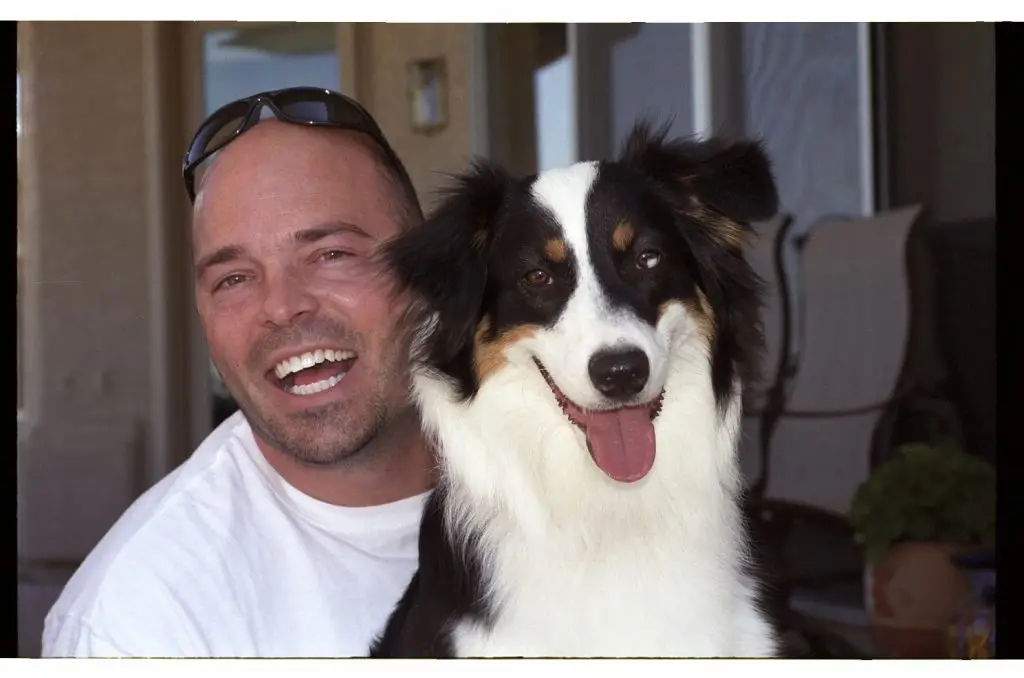
By Mark Siebel, Owner and Trainer, DOGGIE STEPS Dog Training
Quick Answer: A reactive dog overreacts to a trigger such as another dog, a stranger, or a loud noise, and reactive dog training lowers that reaction gradually with controlled exposure and positive reinforcement. The barking, lunging, or pulling usually comes from fear or overstimulation. Doggie Steps has worked these cases since 2005.
What "Reactive" Actually Means
Reactive gets used loosely, and it gets confused with aggressive constantly. A reactive dog overreacts to a specific trigger, often another dog on a walk, a stranger approaching, a delivery truck, or a loud noise, with barking, lunging, spinning, or pulling hard on the leash. Most of the time that reaction comes from fear, frustration, or overstimulation. That is different from a dog with real aggression, and the training approach differs too. There are no shock collars and no choke chains used ever.
Why Reactivity Happens
- Under-socialization as a puppy, especially in the first months of life
- A past bad experience with another dog, a person, or a specific situation
- Frustration, especially in dogs who want to greet but are held back on leash repeatedly
- General anxiety or a low threshold for new stimulation
- Breed tendencies that show up more in some lines than others
Most reactive dogs have more than one of these in play, which is why two dogs with the same behavior can need different plans. Finding the likely root cause is the first step in deciding what to practice and how far from the trigger to start. A sudden change in behavior is also worth a vet visit, since pain can make a dog reactive.
What Actually Helps a Reactive Dog
The short version: controlled exposure below the dog’s stress threshold, paired with positive reinforcement, done consistently over time. A reactive dog that lunges at another dog from twenty feet away needs to practice staying calm from a distance where it can still notice the trigger without reacting, then gradually work closer as that calm holds. Rushing the distance too fast is one of the most common mistakes owners make on their own. For a practical walking tactic, the American Kennel Club has a guide on how to stop a dog from lunging on a leash.
Doggie Steps works through this with positive reinforcement only, using verbal and hand signal commands. There are no shock collars and no choke chains, on any dog, for any reason. Punishing a reactive outburst after the fact does not address what caused it and can make the underlying fear worse, a point the American Veterinary Society of Animal Behavior makes about punishment-based methods in its position statement.
Reactive vs. Aggressive: Why the Difference Matters
A reactive dog that never makes contact and a dog with a real bite history need different levels of caution, even though both can look alarming on a walk. Doggie Steps works with both, including dogs with a bite history. Knowing which one you are dealing with changes how a training plan gets built and how much room there is for error along the way. The full picture of how Doggie Steps handles both is on the Aggressive and Anxious Dog Training page, and the guide on how to prevent dog aggression covers the early signs.
What Reactive Dog Training Looks Like
Doggie Steps addresses reactive behavior through either Board and Train, starting at $2,000, or four weeks of In-Home Dog Training starting at $650. Aggression and anxiety cases add to the starting cost, and Mark tells you the real number before you book. In-Home Dog Training often makes sense for reactive dogs whose triggers show up in the home environment, a knock at the door or a neighbor’s dog visible through a fence. Board and Train works well when a dog needs a full routine reset away from the situations currently reinforcing the reaction.
Managing a Reactive Dog on Everyday Walks
While a full training plan builds up, a few practical habits help right away. Creating distance from a trigger the moment you notice your dog’s body language shift, rather than waiting for a full reaction, keeps the dog under threshold and prevents the walk from becoming a rehearsal for the exact behavior you’re trying to reduce. Rewarding calm attention to you, especially near a trigger, reinforces the response you actually want instead of only reacting after a bad moment.
Avoiding high-traffic times and routes when possible also matters more than owners usually expect. A reactive dog that gets ambushed by a trigger it wasn’t ready for loses ground, even if training the day before went well. Consistency in the environment matters just as much as consistency in the training itself.
What Progress Actually Looks Like
Progress on reactivity looks like a dog that notices a trigger, checks in with you, and settles back down faster than it used to, at a shorter distance than it used to need. That is a real, measurable shift, even if it does not feel dramatic in the moment.
Working With Mark on a Reactive Dog
More than 7,000 dogs trained since 2005 have put Mark in front of many kinds of reactivity: dog-to-dog, dog-to-stranger, noise, and leash frustration. His psychology coursework helps him read what is driving a specific dog’s reaction, since two dogs that look identical on a walk can have different root causes, and the plan that works for one will not always work for the other.
One Week or Two: Choosing a Board and Train Length for Reactivity
Board and Train comes as a one week stay at $2,000 or a two week stay at $3,900. A two week stay gives more room for the gradual, threshold-based work reactivity needs, since it is not a skill that clicks in a single session. A one week stay can fit a milder case or a dog with one specific trigger. Mark can help you choose once he knows what you are seeing.
What to Tell Mark Before You Book
The more specific you can be about your dog’s reactivity, the better the plan gets built. What exactly triggers it, other dogs specifically or all strangers too, how far away the trigger can be before your dog reacts, whether it happens on leash only or off leash too, and how long you have been managing it. That information, sent through the contact form or by email, lets Mark start thinking through an approach before the first session.
Reactivity can improve. It takes the right pace, the right read on the individual dog, and a client willing to stick with the plan between sessions, the same way any real behavior change does. Chandler, Gilbert, Mesa, Tempe, Scottsdale, Paradise Valley, and Phoenix clients are all welcome to reach out through the contact form, and Mark reads and responds to every inquiry himself, by email or text. He takes phone calls if you ask.
Frequently Asked Questions
A reactive dog overreacts to a specific trigger, such as another dog, a stranger, or a noise, with barking, lunging, or pulling. The cause is usually fear or overstimulation.
Not necessarily. Reactive behavior often comes from fear or frustration, though the two can overlap, and a professional evaluation helps tell them apart.
Controlled exposure below the dog’s stress threshold, paired with consistent positive reinforcement, done gradually over time.
No. Punishing an outburst does not touch the fear behind it, so Mark rewards the calm behavior he wants to see. Shock collars and choke chains stay out of every program.
It varies by dog and trigger, and progress is measured in weeks to months of consistent work. Both programs build the foundation, and Board and Train adds free lifetime follow-up support by text or email afterward.
Board and Train fits a dog that needs a full routine reset away from the situations reinforcing the reaction, and a two week stay gives more time for gradual work. In-Home Dog Training fits triggers that show up in the house, like the front door or a neighbor’s dog through the fence.
No. There are no shock collars and no choke chains used ever. Voice commands and visual signals combined with positive reinforcement is the training method used.
About the Author
Mark Siebel has run DOGGIE STEPS Dog Training in Chandler, AZ since 2005. He has trained over 7,000 dogs since then, working hands on with every single client himself. Mark teaches the dog training portion of Pet Care Team Training, a certification program for professional pet sitters and dog walkers. He is one of five expert trainers in the course. He never uses shock collars or choke chains, and he still writes a handwritten thank you note to every customer he works with.
