
Last Updated on April 16, 2026 by Ashley Vasta
Aggressive behavior in dogs is more common than most owners think, and learning how to prevent dog aggression early is one of the most valuable things you can do as a dog owner. Sometimes it shows up as growling over a food bowl, lunging at other dogs during walks, or general tension around unfamiliar people or animals. The good news is that many forms of aggression are preventable, especially when you take action early.
As a dog trainer in Chandler and the greater Phoenix East Valley, I have worked with hundreds of dogs displaying aggressive behaviors. In most cases, the root causes stem from limited socialization during puppyhood, inconsistent leadership from the owner, and too much freedom before the dog has learned proper structure.
Here are four practical ways to prevent dog aggression and build a calmer, more balanced dog.
Establish Healthy Limits Regarding Food and Toys
Resource guarding is when a dog becomes possessive of food, toys, or space. It is one of the most common triggers of aggression, and according to the ASPCA, it is also one of the most misunderstood. This type of behavior needs to be addressed early before it becomes a deeply ingrained pattern.
When you bring your new puppy home, establish from day one that nothing belongs to them. Practice a simple give-and-take routine with bones and chew toys. Hand your dog a chew, then calmly take it back after a few minutes and return it. Repeat this regularly so your dog learns that items of value come from you and that giving them up is safe and normal.
For meals, ask your dog to sit and wait before you put their bowl down. This small practice reinforces that meals are earned, not automatic. It also puts you in a calm, leading role at every feeding.
Lead Every Walk: No More “Ski Boat” Walks
If your dog is pulling you down the street, they are leading your walks, and that matters more than you might think. Dogs that consistently lead on walks are more likely to develop pushy or assertive behavior over time, particularly in herding, working, and sporting breeds such as Australian Shepherds, Golden Retrievers, and Huskies. As these dogs are born and bred to lead, you risk them becoming “alpha” if they are not shown the proper pack order sequence.
To combat this, start before you even leave the house.
First, ask your dog to wait at the door while you step out first. Next, walk with your dog at your side or just behind you. Keep the leash short and taut, limiting their freedom. Eventually, they will understand that you are in charge of the walk and are not to be pulled or led.
Small, consistent habits like this communicate structure and help your dog relax into a role of following.
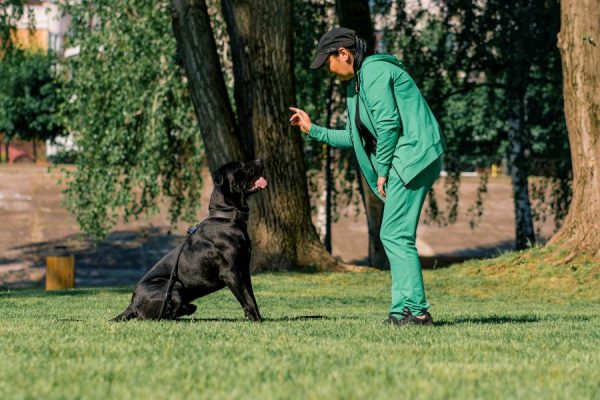
Socialize Your Puppy Early to Help Prevent Dog Aggression
The first year of a dog’s life is a critical window for social development. Dogs that are not regularly exposed to other calm dogs and a variety of people are far more likely to develop fear-based or reactive behavior later in life. The American Kennel Club recommends beginning socialization as early as possible, ideally between three and twelve weeks of age, since this is when puppies are most receptive to new experiences.
Your vet will typically recommend limiting your puppy’s exposure to the outdoors until it is fully vaccinated, around 16 weeks. Until then, look for safe opportunities such as puppy classes, playdates with healthy, vaccinated dogs, or small-group settings with friends’ and family members’ pets. Quality, calm interactions with well-mannered dogs will be far more beneficial than chaotic dog park visits.
Dog parks can work well if the environment is clean and the dogs present are healthy and balanced. When in doubt, a structured puppy class is the safest and most effective way to build that early social foundation. If you are in the Gilbert area, Cosmo Dog Park is a well-maintained, fenced, off-leash park with separate areas for dogs of different sizes, making it a solid option for calm, structured socialization outings.
Make Your Dog Work for Everything
One of the simplest and most effective ways to prevent dog aggression is also one of the most overlooked: make your dog work for and earn their rewards.
This does not mean putting your dog through an obstacle course before every meal. It means small, consistent moments of structure throughout the day. Ask for a sit before the food bowl goes down. Use a “wait” at the curb before crossing the street. Ask for a calm sit before heading out the door. These moments add up, keep your dog mentally engaged, and reinforce that you are the source of good things in their world. A dog that looks to you for direction is far less likely to act out.
Build a Strong Bond That Helps Prevent Dog Aggression
Preventing dog aggression is not about dominance. It is about consistency. Dogs thrive when they have clear, calm leadership, regular socialization, and a sense of structure woven into their daily life. When those things are in place, most dogs settle naturally into a relaxed, confident state.
If your dog is already showing signs of aggression or reactivity, early intervention makes a significant difference. The longer those patterns go unaddressed, the harder they are to change. Contact Doggie Steps Dog Training today to learn about our private training and behavior programs serving Chandler, Gilbert, and the greater Phoenix East Valley.
