Last Updated on October 6, 2026 by Ashley Vasta
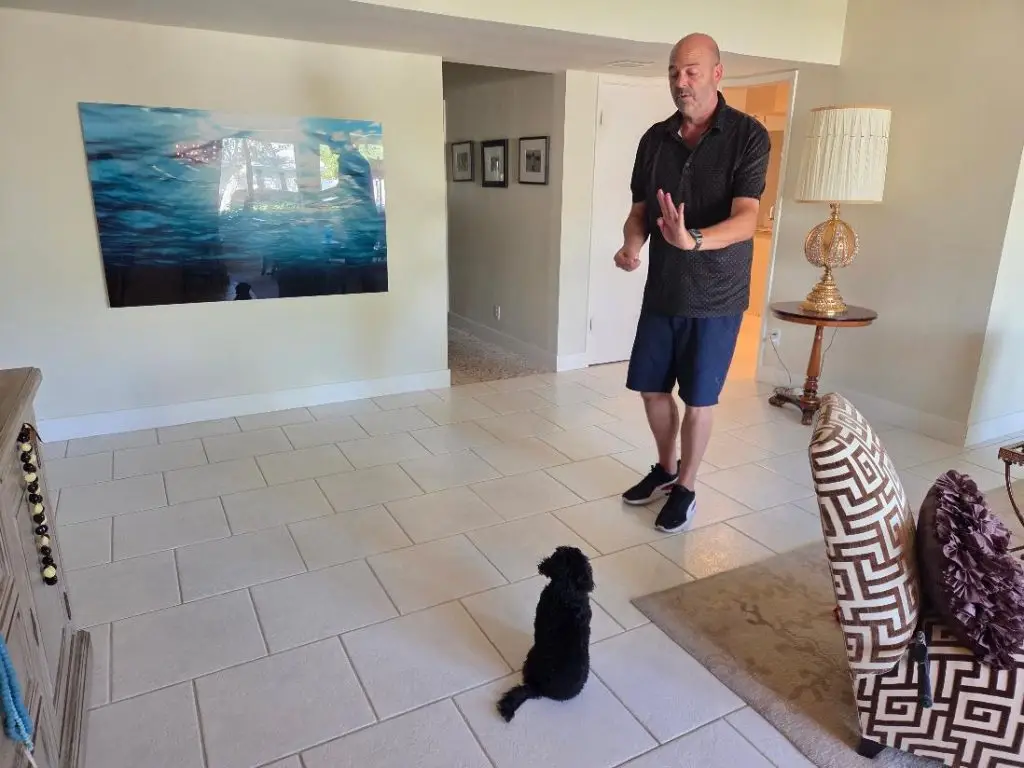
A week of Board and Train Chandler, AZ owners can count on means your dog lives with owner and trainer Mark Siebel, practicing commands in short blocks throughout each day, working on potty training, leash manners, energy and calming remedies, and socializing with Mark’s own dogs. Customers receive DAILY updates with dogs progress, pictures and videos plus a written summary and visual demonstration of everything covered once the week ends.
Why People Ask This Before They Book
Board and Train, the board and train Chandler, AZ owners hear about most by word of mouth, asks for real trust. Your dog leaves your house for a week or two and comes back different. Most people booking it for the first time want to know what actually happens during that stretch of time. A features list doesn’t answer that. This post walks through it. One thing you can always count on with Mark’s training is that it will always be done in the most humane way possible… no shock collars and no choke chains. Mark’s goal is to always make sure you’re matched with a service that fits you, your family, and your pets’ needs.
A week of Board and Train breaks into three parts:
Day One
Your dog settles into Mark’s home and starts with light command work.
The Middle Days
Commands, potty training, energy and calming remedies, and leash work get repeated in short blocks throughout each day.
Going Home
You get a written summary and visual demonstration, free lifetime follow-up support, and a dog who already knows the commands.
Day 1: Settling In
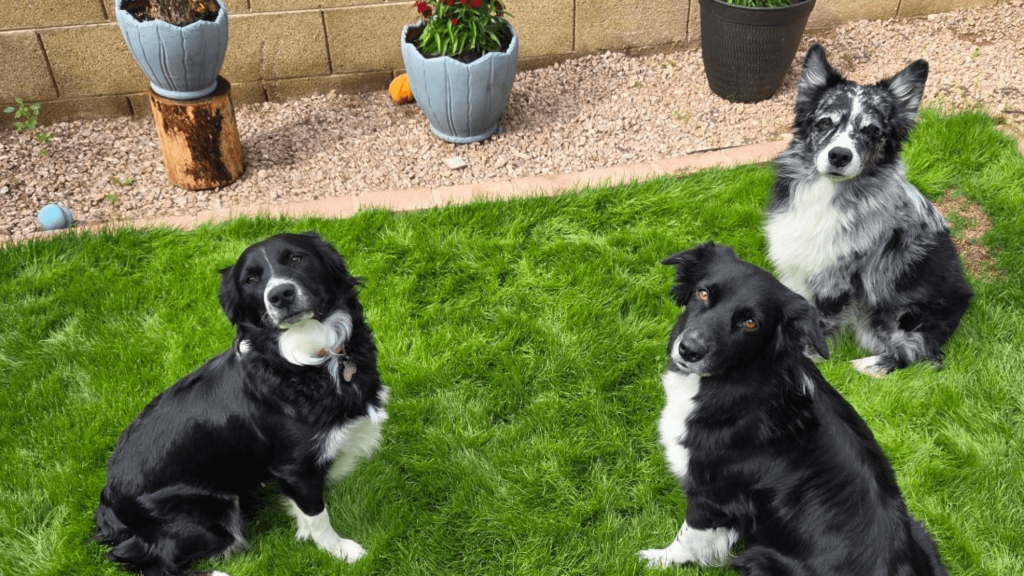
The first day is mostly about your dog adjusting to a new environment. Mark reads each dog’s energy and starts light: short command sessions, a walk to burn off the travel stress, and time just being around Mark’s own dogs so the new arrival gets comfortable with the household.
The Middle Days: Conditioning and Repetition
This is where most of the actual training happens. Commands get practiced multiple times a day in short blocks, not one long drilling session. Sit, stay, down, leave it, come, heel, watch me, and off get taught both verbally and with hand signals, so your dog responds to either one once training wraps.
Potty training runs in parallel the whole time, since it makes up roughly half the work in most Board and Train stays. Leash and energy work happens on real walks around the neighborhood. A dog that behaves in a controlled yard and falls apart on a real sidewalk hasn’t actually learned the skill yet.
Socializing With a Real Household
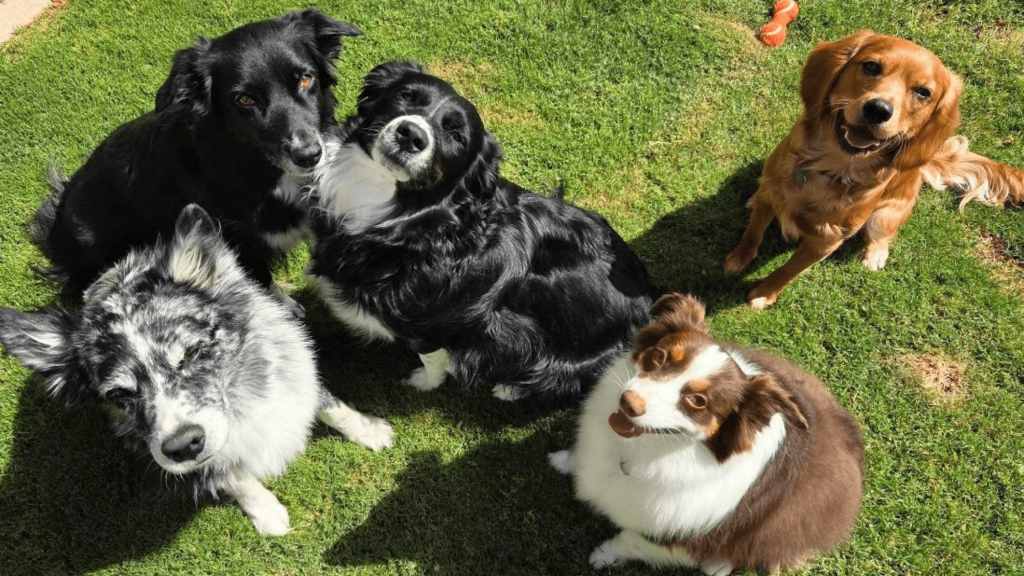
Your dog isn’t kenneled between sessions. Doggie Steps Board and Train happens inside Mark’s own home, which means your dog also gets socialized with his dogs, in a normal household environment rather than a sterile facility. For dogs with any anxiety around new people or new dogs, that matters more than it might sound like on paper.
Going Home: What You Get
- A written final summary and visual demonstration of everything covered during the stay
- Free lifetime follow-up support by text or email or phone, no charge, no hard cutoff
- A dog who already knows the commands, so your job is reinforcing the routine, not starting from zero
Mark is upfront that results depend on you keeping the routine going once your dog is home. Doggie Steps does not promise a guaranteed outcome on any service, the same way a personal trainer’s plan only works if the client follows through after the session ends.
Why Mark Runs It This Way
Twenty one years and over 7,000 dogs in, Mark has seen what actually sticks and what doesn’t. His psychology background, an undergraduate course at the University of Wisconsin Oshkosh and a refresher at Chandler-Gilbert Community College, shapes how he reads both the dog and the owner before deciding how to run the week. His own words: it is harder to train the person than the dog.
How a Board and Train Week Compares to a Boarding Kennel Stay
A lot of people booking their first Board and Train assume it works like a boarding kennel with some training tacked on. It doesn’t. A kennel stay is built around keeping a dog fed, walked, and safe. A Board and Train week is built around a training plan, run by the same person every single day, in a real household rather than a row of kennel runs. The difference shows up most in the socializing, since a dog living inside Mark’s home picks up on normal household rhythms instead of kennel routine.
Getting Ready Before Drop-Off
Before the stay starts, Mark asks about your dog’s current routine, any known triggers, and what you specifically want different by the time the week ends. That conversation happens through the contact form and by email or text, since that’s how Mark handles nearly every client conversation. The clearer you are about the goal, whether it’s calmer leash walks, reliable potty training, or basic obedience, the more the week gets built around that specific goal instead of a generic program.
What Owners Notice First When Their Dog Comes Home
Most owners notice energy and calming behaviors first, since it’s the most visible change on the return home after pickup. Potty training, leash control and commands like sit, leave it, down and stay tend to show up next, especially once the owner starts using the same hand signals Mark used during the stay.
The written summary that comes home with your dog spells out exactly which commands were covered and how consistently your dog responded to each one by the end of the stay, so you’re not guessing at what to reinforce first.
One Week or Two Weeks of Board and Train in Chandler, AZ
The one week program, at $2,000, covers the core commands, potty training work, and leash manners. The two week program, at $3,900, gives more repetition time on the same skills, which tends to matter more for dogs with more ingrained bad habits or a longer history of inconsistency at home. Mark can help you decide which length fits your dog once he knows the specific behaviors you’re trying to change.
Availability and Booking
Mark currently runs about 4 to 5 Board and Train dogs a month, and he’s working toward narrowing that to 2 to 3 a month so each dog gets more of his direct attention, not less. That means availability can book up a few weeks out, especially heading into fall and holiday travel season. The contact form is the fastest way to check current openings, since Mark reads and responds to every inquiry himself, by email or text.
If Board and Train doesn’t turn out to be the right fit for your schedule or your dog’s needs, In-Home Dog Training and At My Home Dog Training are both booked through the same contact form, and Mark is glad to talk through which format actually makes sense before you commit to any one program.
Whatever service you land on, the goal stays the same for Mark. A dog you can actually live with and enjoy, long after the supervision ends. That’s the whole point of building the week around conditioning and routine instead of a one-time show of obedience.
Frequently Asked Questions
How long does a Board and Train stay last at Doggie Steps?
Doggie Steps offers a one week Board and Train for $2,000 or a two week Board and Train for $3,900. Both formats cover the same core training, the two week option simply allows more repetition time.
Will I get updates while my dog is staying with Mark?
Yes. Mark sends daily photos and videos of the training work while your dog is with him, instead of a single update at pickup. When you collect your dog, he walks you through the commands and routines covered so you know exactly how to keep them going at home.
Does my dog stay in a kennel during Board and Train?
No. Your dog stays inside Mark’s own home for the full length of the program, which allows real socializing with his own dogs in a normal household environment rather than a facility setting.
How does Mark decide what to work on during my dog’s Board and Train week?
It starts with what you tell him before drop-off: your dog’s current routine, any known triggers, and what you want different by the time the stay ends. From there, Mark builds each day around commands, potty training, energy control and leash work using positive reinforcement, no shock collars or choke chains ever, adjusting the mix as he learns how your dog responds.
What happens if my dog doesn’t fully adjust in the first day or two?
Mark adjusts pace to the individual dog. Some dogs settle in hours, others take a few days before training ramps up fully. That flexibility is part of why Mark limits himself to 3 to 4 training clients at a time.
Can my dog join Group Dog Training after a Board and Train stay?
Yes, if your dog would benefit from more socializing. Once your dog completes a Board and Train stay, Mark can invite you into his small group class, capped at six dogs, on Sundays at his local Chandler park. It’s one of several ways owners keep building on what their dog learned during the stay, alongside the free lifetime follow-up support and the written summary you already have in hand.
About the Author
Mark Siebel has run DOGGIE STEPS Dog Training in Chandler, AZ since 2005. He has trained over 7,000 dogs in 21 years, working hands on with every single client himself. Mark teaches the dog training portion of Pet Care Team Training, a certification program for professional pet sitters and dog walkers. He is one of five expert trainers in the course. He never uses shock collars or choke chains, and he still writes a handwritten thank you note to every customer he works with.